
Anchored in a core Accent Decor value of building community through empathy, Accent Decor recognizes and honors Black History Month, a time to reflect on the profound contributions of Black Americans and their lasting impact on our society. This annual celebration not only acknowledges history but also serves as a catalyst for deeper conversations about resilience, creativity, and progress.
In commemoration of this meaningful month, we connected with a dynamic group of entrepreneurs who exemplify creativity and perseverance. Through their words, they share their business origin stories and lessoned learned throughout the way. Their insights remind us that success is not just about personal achievement – it also uplifts others and strengthens communities. Read on for their powerful perspectives and words of wisdom.
Meet Teneka Williams, Owner & Operator of Royal Petals ATL
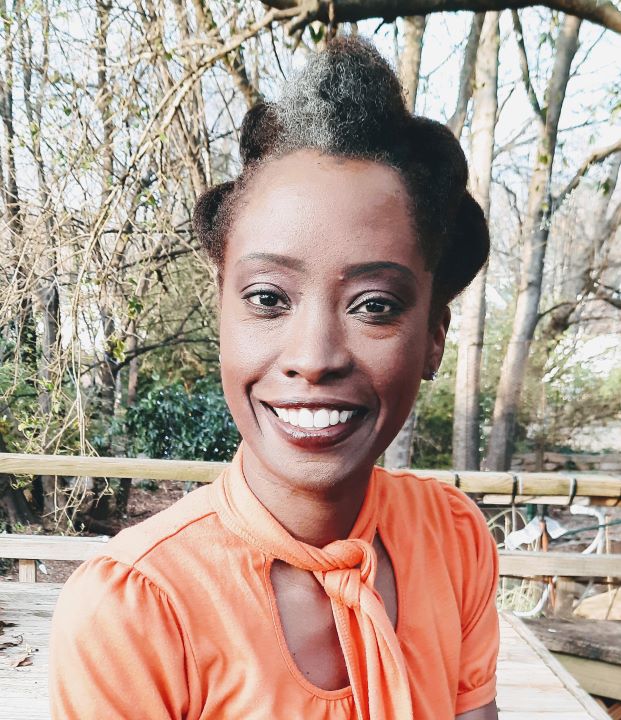
Teneka Williams transitioned from a professional librarian of 15 years into a full-time floral entrepreneur. In 2019, she founded Royal Petals ATL, a business that quickly faced the unprecedented challenges of the pandemic. Despite the obstacles, Royal Petals ATL has flourished while honoring the rich history of Atlanta. Their unique arrangements and bouquets pay tribute to the city’s heritage, celebrating the people, stories, and communities that make Atlanta a beacon for both dreamers and advocate.
What was your journey into both flowers, planting, and entrepreneurship?
In 2020, I went through a difficult breakup with my career in librarianship. After 15 years, I realized it was no longer a safe space for me. Just two days before the application deadline, I submitted a proposal for Royal Petals ATL to be part of the inaugural cohort of businesses at the iVillage at MLK, a program sponsored by Invest Atlanta. My bid for the flower shop received overwhelming support from the MLK Business Association, and with their advocacy, the shop was selected to open its doors in 2019.
Six months after opening, the pandemic hit, forcing me to navigate the challenges of running a business during an unprecedented time. Despite having no prior experience as an entrepreneur or florist, my passion for plants and flowers was seeded by my husband as he worked to create a magical greenspace for our home.
How has your personal history as a Black woman from Atlanta shaped how you express your artistry and operate your business?
Atlanta is a unique city to grow up as a black child. Black Atlantans are in positions of leadership and have successful businesses as dentists, doctors, entertainers, and virtually any other venture you can imagine. Because of Atlanta’s rich history of Black entrepreneurship, anything seems possible. There’s nothing I believe I can’t achieve because, in Atlanta, Black men and women succeed in countless ways.
My years as an Outreach Librarian taught me that underserved and marginalized communities often lack an expectation of consistent, quality service. I work hard to maintain a high standard of service for my customers. Good service builds trust, trust builds relationships, and relationships build business.
How do you see floristry as a way to connect people and celebrate traditions?
Floristry beautifully reminds us why diversity matters. It’s nature’s way of showing that magic happens when we come together. A pink rose bouquet is stunning on its own, but when paired with Stargazers, hot pink mini carnations, and pale pink waxflower, it showcases the beauty of varied textures and blooms.
This perspective stays close to my heart as I serve the community. All my floral designs are named after the people, communities, and rich history of Atlanta. My hope is that my creations inspire pride and celebration for this incredible city.
What advice would you give to young Black individuals who are interested in floral design or creative entrepreneurship?
Just start. I wear many hats. I work as a Librarian part time, a TA for Library Information Science at the University of South Carolina, and a Grant Assistant for the American Library Association. I’m learning that Miley Cyrus was right when she sang,
“There’s always gonna be another mountain
I’m always gonna wanna make it move
Always gonna be an uphill battle
Sometimes I’m gonna have to lose
Ain’t about how fast I get there
Ain’t about what’s waiting on the other side
It’s the climb”
Meet Beth Diana Smith, CEO + Principal Designer of Beth Diana Smith Interior Design
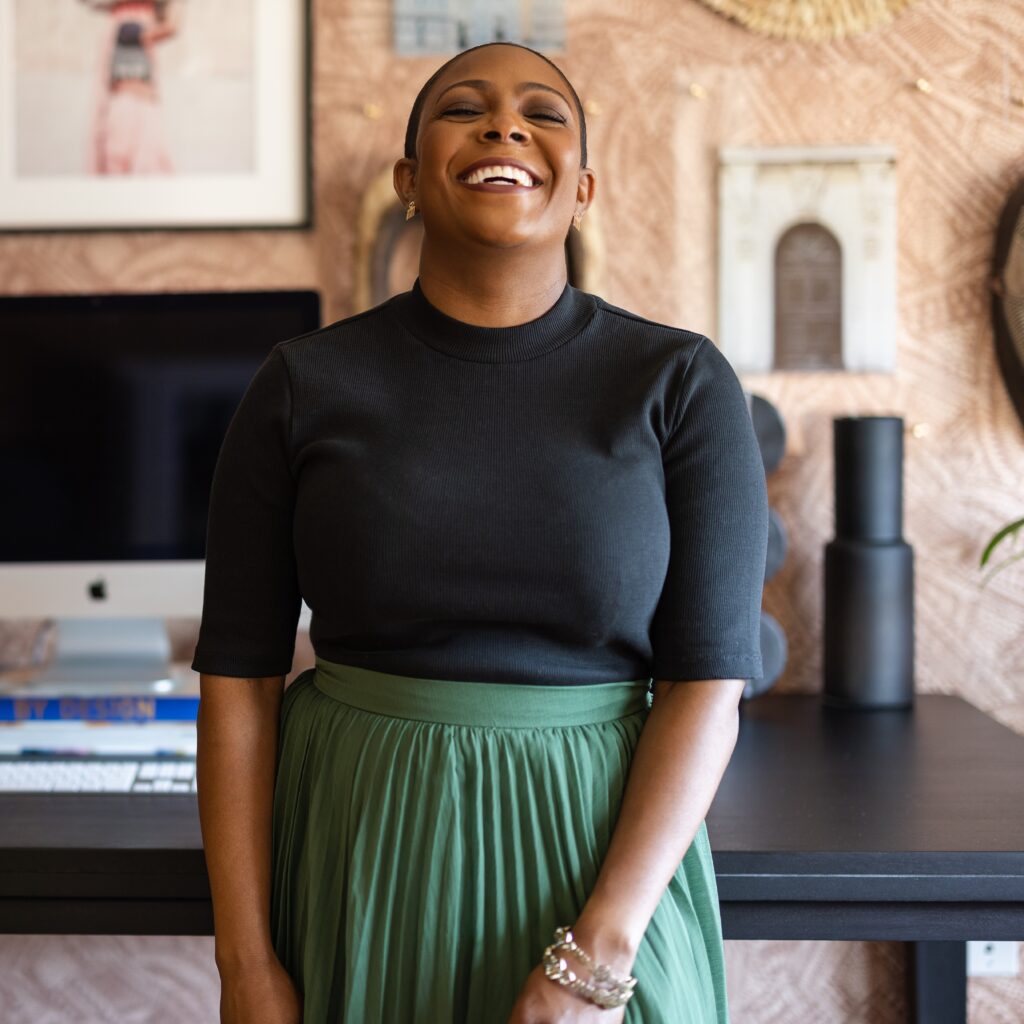
New Jersey based Beth Diana Smith is the CEO and Principal Designer of Beth Diana Smith Interior Design, a full-service interior design firm focused on the discerning client who wants a curated home with thoughtful details. Beth pivoted after more than a decade in corporate accounting and finance at Johnson & Johnson and Viacom. In pursuing a career in interior design, she obtained a degree from the New York School of Interior Design. Smith’s work has been featured in countless outlets including Architectural Digest, the Wall Street Journal, NBC and HGTV. She is proudly a Founding Member of the Black Artists + Designers Guild, an Associate of the American Society of Interior Designers, and a member of the Design Leadership Council.
Can you share what inspired you to pursue a career in Interior Design?
I spent nearly 15 years in corporate finance and accounting before making an unexpected career shift to interior design. It all started when I decided to redesign my own home. Through research and inspiration, I discovered a deep passion for interior design. What began as a fun side hustle outside of my corporate job quickly became something more. I decided to pursue an interior design degree, taking classes at night and weekends. During that time, I grew increasingly disenchanted with corporate life and realized it wasn’t the path I wanted to follow to retirement. In 2014, I left the corporate world, completed my studies at the New York School of Interior Design, and never looked back.
How do you incorporate storytelling or cultural elements into your projects?
The story of the home is central to the design concept, guiding my goals and shaping the overall aesthetic. This story is inspired by the conversations I have with clients during the early phases of the project and continues to evolve throughout the design process. The result is always unique – every story is tailored to the client and specific to the project.
The interior design industry is competitive and often criticized for its lack of diversity. What challenges have you faced as a Black designer, and how have they shaped your approach to the industry and entrepreneurship?
This is a challenging question to answer given the current state of the U.S. While diversity has always lacked, I had hoped for progress with the emphasis on DEI initiatives. Unfortunately, those efforts are rolling back. Black people learn early that you must be twice as good as others to even try to be on a level playing field. As a result, I always try to operate from a place of excellence in all that I do, from networking to leading the client experience. There’s a reason why the term “Black excellence” is commonly referenced. I know that’s how I need to operate to garner a certain level of success. I love being seen as a great Black designer, a female designer, and a Black female designer. However, I would like to be seen as a great designer.
What advice would you give to young Black individuals who are interested in interior design or creative entrepreneurship?
Be ready for obstacles and always remember that other people’s view of you has nothing to do with how you should view yourself. Be excellent, be kind, and find your tribe.
Meet Bree Iman Clarke, Founder & Creative Grower of The Plant Project
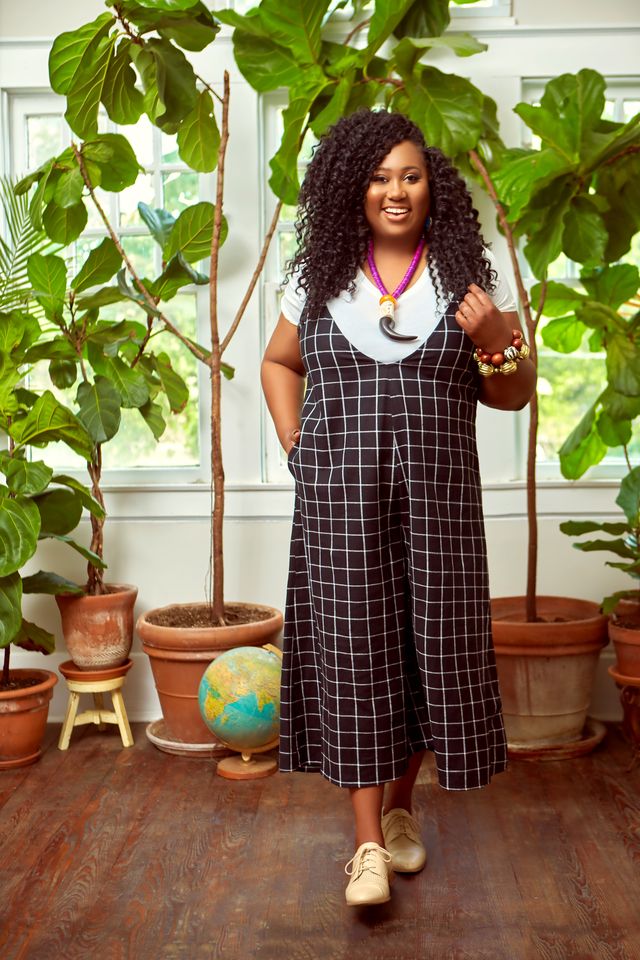
Bree Iman Clarke is a renowned plant and floral expert and the Founder and Creative Grower of The Plant Project, the first Black woman-owned plant shop in Texas. More than just a shop, The Plant Project fosters a thriving community and serves as a safe space for meaningful conversations on race and other important topics. Alongside her husband, Carlos, Bree also runs The Iman Project, a heartfelt lifestyle brand dedicated to connection and creativity. Under its umbrella, they operate The Little House Project Studio, a versatile multipurpose space in Dallas, and Bree Blooms, a floral shipment and arranging tutorial program.
Can you share what inspired your deep love of plants and flowers? How did this inform your leap into opening the first Black woman owned plant shop in Texas?
My love of plants and blooms has been with me since I was a little girl. I grew up watching my mom spend hours tending to her garden which often helped her win “Yard of The Month.” While my mom spent time in the garden, I spent my time nurturing our indoor plants. I spent much of my childhood at my grandmother’s home, often playing outside in the neighborhood. During those days, a man named Herman (who called himself ‘Herman the Horticulture Man’) would visit. He’d spend hours chatting with my mom and family about plants, potting and soil. Herman was one of the first African American men to graduate from Texas A&M with a degree in horticulture.
From a young age, I was surrounded by the beauty of plants and the idea of nurturing a greener tomorrow. That early exposure inspired me to open the first Black woman-owned plant shop in Texas. Growing up, I witnessed Black men and women sharing a strong and beautiful love for all things that bloom and grow. However, I never saw someone who owned their own plant shop. I wanted to be that change for the next generation.
How has your cultural background influenced your design and brand aesthetic?
Growing up, I was surrounded by an array of diversity, which deeply influenced the style of our Botanical Boutiques today. My family encouraged us to connect with people from all walks of life, shaping my appreciation for different cultures, colors, and design elements. This exposure has guided my approach to details, color palettes and storytelling, all rooted in warmth and connection. I often incorporate elements that made me feel welcomed as a child, creating a sense of familiarity for those who visit our spaces.
The Plant Project beautifully emphasizes the cultivation of community. Why is community building important for you and how do you foster community with your customers?
From the moment we opened our doors, I understood the power of commUNITY. I believe that for us to grow—not just as individuals, but as a society—we must root for one another. I’ve always emphasized that there’s a significant difference between having an audience and building a community.
An audience expects constant performance, entertainment, and validation, often without a deeper connection. But a community? A community grows together. It uplifts, connects with intention, and fosters genuine support. It’s about checking in on one another, not for personal gain, but to create meaningful relationships.
Since day one, we’ve cultivated more than just a plant shop; we’ve created a sanctuary where both plants and people thrive. It’s a space filled with stories, healing, and shared experiences. It’s home, the heart of our brand.
What challenges have you faced as a Black creative and woman in business? How have these challenges shaped your approach to the industry and entrepreneurship?
As a Black woman in business, I’ve faced biases tied to both race and gender. In today’s climate, those biases are often more visible, and sometimes even accepted. Black women are often labeled as aggressive or unapproachable simply for having opinions, speaking up, or not conforming to certain expectations. These challenges also extend to securing funding, forming partnerships, and networking. Additionally, as Black women, we are rarely afforded grace, there is little room for error or missteps. The pressure to always have everything together can be overwhelming. Despite these obstacles, I’ve chosen to turn my experiences into opportunities for advocacy and change. The Plant Project is not just about plants, it’s about representation, diversity, and inclusion in all that we do. I make it a priority to speak up against systemic barriers while ensuring our brand remains a beacon of community and belonging. One thing I’ve learned, and that we don’t highlight enough, is the importance of strategic self-promotion. It’s essential to actively showcase your expertise and achievements to combat biases and gain recognition in industries where we are often overlooked.
What advice would you give to young Black individuals who are interested in the plant space and creative entrepreneurship?
Owning a business and growing a brand is about so much more than a logo or an Instagram handle, you must pour every part of yourself into it. And the truth is, it will never be easy. If it feels easy, you probably aren’t pushing yourself hard enough. Entrepreneurship is hard. Creative work is hard. And if you’re in it just for the money, you’ll quickly realize that success doesn’t come overnight.
Stay true to yourself and follow your gift. Life is difficult no matter what path you choose, so choose the challenges that align with your passion. And when it gets too hard, please don’t give up, because on the other side of struggle is a freedom you never imagined.
Finally, root for others. Even those in the same industry as you. There is enough room for all of us to grow, and true success comes from uplifting those around you. We are all interconnected, and in order to flourish, we must continue to root for each other and, importantly, ourselves.
Meet Breigh Jones-Coplin, Owner and Founder of Black + Blossomed
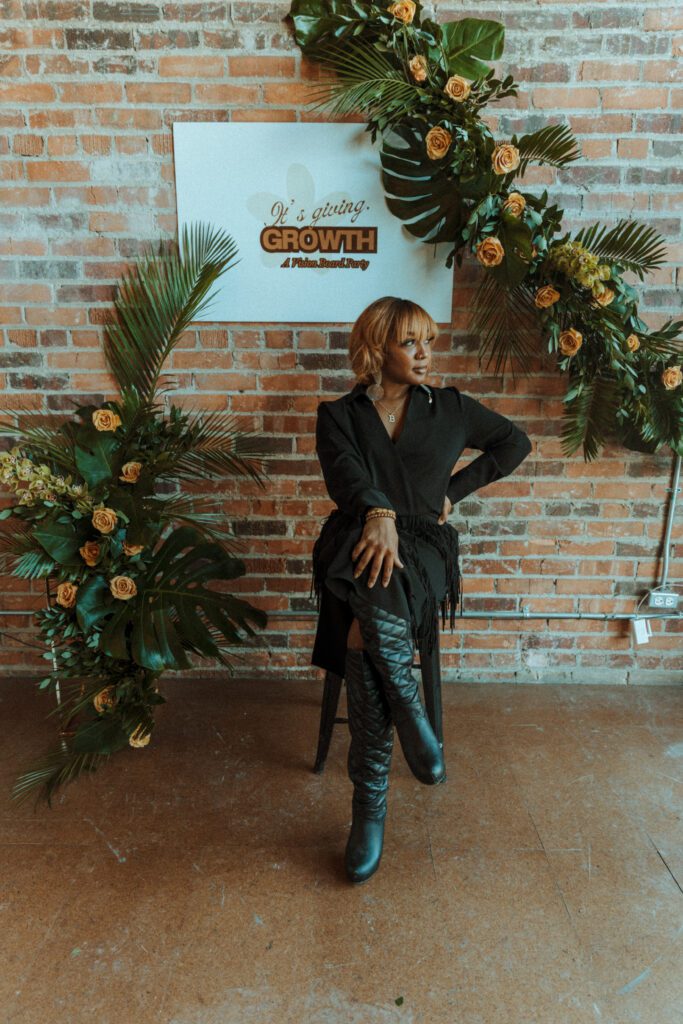
Memphis native and Denver resident Breigh Jones-Coplin founded Black + Blossomed after discovering an undeniable passion for flowers while planning her wedding. Drawn to their therapeutic and creative power, she tapped into a newfound artistry that soon blossomed into a thriving business. Today, Black + Blossomed stands as a testament to resilience, creativity, and the magic within us all.
What was your journey into both flowers and entrepreneurship?
I was blessed to be raised by a community of people who poured love, wisdom, and resilience into me. That foundation shaped so much of who I am and the paths I would later take. After finishing college and retiring as an elite athlete, I moved to Denver to pursue a Master’s in Sport and Performance Psychology, followed by a Doctorate in Clinical Psychology. Along the way, I met my incredible husband, and we married in 2019.
It was during our wedding planning that I discovered a surprising new love: floral design. I created my own wedding bouquets, and my husband, recognizing my natural talent and passion, gifted me a floral certification course for my birthday the following year (we love a supportive husband). What started as a creative outlet quickly became a sanctuary and safe space for me.
During all of this, 2020 unfolded, bringing loss, burnout, grief, and a deep sense of uncertainty. As a therapist supporting others through those turbulent times, I often felt like I had nowhere to place my own pain. Flowers became a therapeutic tool, giving me space to process and heal. Creating with intention and sharing that beauty with others grounded me in ways I didn’t expect. I know it sounds dramatic, but in retrospect, I feel that flowers saved my life.
Black + Blossomed was born out of my journey through love, loss, and resilience. It continues to be a space for connection, healing, and artistry, where every arrangement reflects life’s complexities and beauty.
How has your personal history as a black woman with Memphis roots shaped how you both express your artistry and operate your business?
My personal history as profoundly shaped my artistry and how I operate Black + Blossomed. Memphis is a city of contrasts. It’s where beauty and struggle often coexist, and creativity thrives in unlikely spaces. Growing up in the hood while having access to education opened a world of possibilities for me. It sometimes felt like living in two worlds, navigating between environments that were vastly different yet equally significant to my identity.
That experience taught me to embrace contrasts, seeing them not as contradictions but as beautiful, layered truths. This perspective inspires my floral designs, where I intentionally play with contrasts—hard and soft, bright and dark, structured yet free-flowing. Just as my life has shown that multiple realities can exist at once, my floral creations tell similar stories of complexity and harmony.
Flowers became my canvas after I spent years thinking I wasn’t creative because I didn’t fit into conventional ideas of what “artistic” looked like. My father, a talented musician and visual artist, could turn any medium into art, and while I tried guitar and drawing, neither stuck for me. It wasn’t until I found floristry that I realized creativity isn’t confined to traditional forms and norms—it’s about how you express yourself and connect with others.
In running Black + Blossomed, I prioritize inclusivity, representation, and storytelling. My designs honor heritage while celebrating diversity which often results in a breeding ground for healing and connection. Just like the contrasts that shaped my journey, my work celebrates complexity, beauty, and the truth that multiple things can exist, and bloom, together.
How do you see floristry as a way to connect people?
Floristry is a profound reminder of life’s lessons because flowers, in so many ways, mimic our journeys. They reflect how we bloom, grow, wither, and rise again. Flowers embody this beautiful truth that we all get to hold: the choice to see beauty in ourselves and others. They teach us to embrace the temporary nature of things, reminding us that beautiful creations take time, patience, and care and that there’s beauty in the struggle– which isn’t always seen or embraced but is necessary for blooming.
Flowers are a testament to our uniqueness while also reminding us that we are all connected, part of something bigger. That lesson has become the foundation of Black + Blossomed. Every bouquet I create and every experience I offer is rooted in this intention—to create space for humanity. It’s not just about arranging flowers; it’s about crafting experiences where people can feel seen, heard, and valued, just like flowers deserve care and attention to thrive.
Through flowers, I’m constantly reminded of life’s contrasts—the balance of strength and softness, the beauty in fleeting moments, and the value in creating spaces where people can come as they are and leave feeling more whole.
Creating arrangements are really a metaphor for creating community. Each individual stem (person) is an important, vital piece of the larger arrangement (system). Individually, yeah, we’re cute, but all together? A work of art.
What advice would you give to young Black individuals who are interested in floral design or creative entrepreneurship?
My advice is simple but powerful: trust your vision and honor your voice. The creative world doesn’t always reflect our faces or our stories, but that doesn’t mean we don’t belong. You do. Your perspective is valuable, and your artistry carries weight. Start with what you have, where you are, and lean into curiosity. Don’t be afraid to experiment and create relentlessly, even when things feel uncertain. There’s beauty in not having it all figured out right away. Your story is your art. Once you learn how to accept and embrace all parts of you, you will become limitless in what you’re able to create.
Find a community that uplifts you and pours into your growth – people who see your brilliance and encourage you to keep pushing forward. Mentorship and genuine relationships will help you navigate spaces that weren’t necessarily built for us. And when you find your way, don’t forget to be that same light for someone else.
Most importantly, create with intention. Authenticity is your superpower—lean into that and watch your creativity bloom.
Meet Nneka Mosley, Content Creator & Designer of One Handy Momma
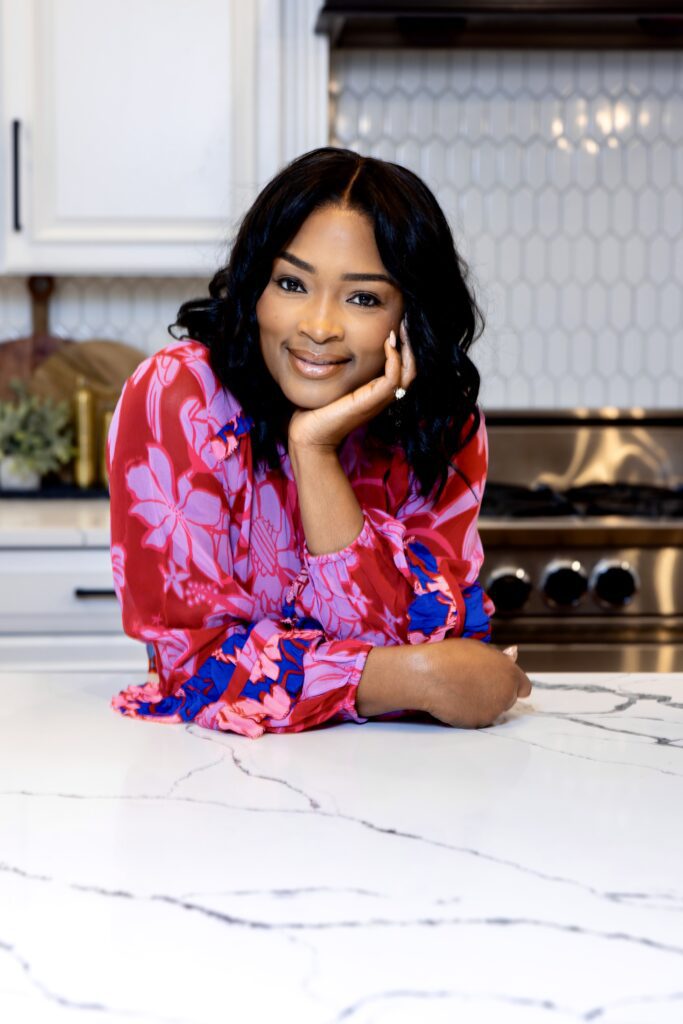
A career pause and a deep passion for DIY and creativity led Nneka Mosley to launch One Handy Momma. During the height of the pandemic, she and her family took on a variety of home improvement projects, sharing their journey along the way. The documentation of these projects helped shape a thriving social media presence and website. Today, Nneka inspires countless followers with design services, expert guidance, and endless home project inspiration.
What inspired your career pivot toward One Handy Momma?
Before launching One Handy Momma, I spent several years as a handbag designer, enjoying a successful run in the industry. Eventually, I made the difficult decision to close that chapter and return to a traditional 9-to-5 job. However, deep down, I always knew it was temporary. After years of feeling creatively unfulfilled, I decided to channel my passion into something that had always inspired me—DIY projects and interior design. That passion led to the creation of One Handy Momma.
How do you incorporate storytelling or cultural elements into your projects?
I believe where you live should tell your story, so I always incorporate elements of my heritage and culture into my design projects. This can include vibrant colors, bold patterns and prints, Black art, family photos, and other meaningful details that reflect personal history and identity.
The home design space is competitive and often criticized for its lack of diversity. What challenges have you faced as a Black designer and creative? How have these challenges shaped your approach to the industry and entrepreneurship?
The lack of diversity and representation in the home design space is undeniable. There have been times when I’ve been overlooked for opportunities or undervalued for my work and expertise. While these challenges could have been discouraging, I’ve never let them break my spirit—instead, they’ve shaped my approach to the industry.
I love that social media has allowed me to build a community of supporters and fellow creatives. I’m able to showcase my work on my own terms and inspire others to do the same. It’s also afforded me the opportunity to monetize my creativity in so many ways.
What advice would you give to young Black individuals who are interested in creative entrepreneurship?
Stay true to who you are. Your culture, background, and story are strengths—use them to create work that feels real and resonates with your audience. Authenticity is key. Build a community, seek out mentors, uplift other Black creatives and pay it forward as much as you’re able to. And lastly, know your worth.
Discover the full assortment of wholesale decor, wholesale pots and vases and wholesale home accents, including all new and flower, plant and home products, visit accentdecor.com.
A quick and easy registration gives you access to design-forward wholesale decor, wholesale pricing, product details ordering options, and much more! Register now.


COMMENTS ARE OFF THIS POST